

Greece tours turn a country full of famous sights into days that feel simple, smooth and truly fun. First-timers, couples, families, friends and solo travelers all find a trip that fits, from city walks to sunny island boat days.
This guide covers the sights, the tour kinds and the extras that come with each trip. Planning help from My Greece Tours adds detail for every region. Ruins, island coves and busy city lanes all get a fair share.
How Do Visitors Enjoy Greece Tours In The Classical Sites?
Visitors enjoy the classical sites most with a local guide, a ticket in hand and a plan that leaves time to wander. Browse Greece tours and Tours In Greece to see how different trips handle each stop on the way.
Which places are unmissable in the classical sites?
Delphi is a sanctuary where Greeks came to ask the gods for advice, and its mountain setting still inspires awe. Meteora’s cliff-top monasteries crown the towering rock pillars. Mycenae is a citadel, a hilltop fortress, with a famous lion gate.
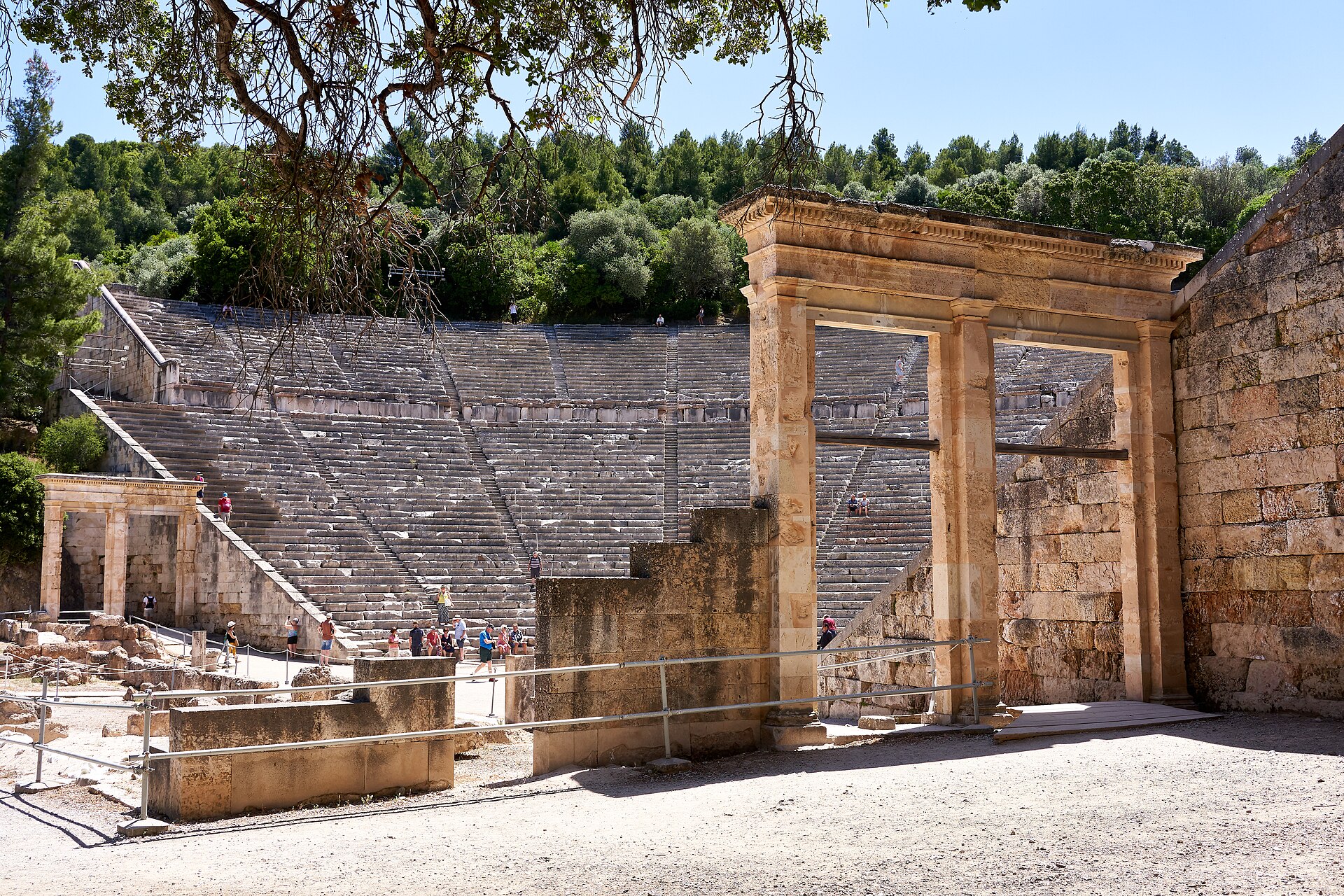
Epidaurus is known for its theatre, where a whisper reaches the back row. Nafplio is a harbour town with a relaxed seaside feel. Ancient Olympia is the home of the Olympic Games, and the Corinth canal is a dramatic stop.
Which Greece tours cover the classical sites best?
Full-day trips from Athens by coach suit first-timers who want the highlights without driving. Small shared tours with a few guests suit couples and solo travelers who enjoy questions and a friendly pace. Guided walking tours suit curious families.
Entry tickets suit independent travelers who want to explore at their own pace. Multi-day tours with hotel nights suit friends who link Delphi, Meteora and Mycenae. A guide to Greece historical tours helps match each style to the right traveler.
What do Greece tours in the classical sites provide?
A licensed or local guide turns broken stones into stories and answers questions a sign cannot. That context makes every site more memorable for adults and children alike. Guides also share local tips on the best views.
Entry tickets save time at the gate, so more of the day goes to sites and less to waiting. On multi-day trips, hotel nights mean less driving after dark, a proper rest and a fresh start at the next stop.
How do you stay comfortable in the classical sites?
Visit early or late, when the light is soft and the paths are quiet. Wear sturdy shoes, because marble and worn stone get slippery, and plan shade breaks at midday.
Bring a hat, sunscreen and a refillable water bottle. A light layer helps on windy hilltops and in cool museum halls, and a small snack helps between cafes.
How Should You Plan Greece Tours In Athens?
Plan Athens around the Acropolis, then add a market walk, a museum and a sea trip to round out a balanced stay. Greece tours in Athens work best when mornings go to the big sights and afternoons stay loose.
Which places are unmissable in Athens?
The Acropolis, or high city, holds the Parthenon temple and the Erechtheion with its famous porch of stone maidens. Below it, the Acropolis Museum displays carvings from the sacred rock, and the Ancient Agora was the city’s busy market square.
The Temple of Olympian Zeus rises in giant columns. Plaka and Monastiraki fill the lanes with cafes, shops and busy street life. Lycabettus Hill gives the best city view, and the Temple of Poseidon at Cape Sounion faces the sea.
Which Greece tours cover Athens best?
Private tours with a driver-guide or skipper are priced for the whole party. Couples and families set their own pace and choose their own stops. Boat cruises with swim stops suit friends who want sea and sun after the city.
Guided walking tours suit first-timers, curious teens and solo travelers who want stories on foot and easy conversation along the way. Cooking classes and wine tastings suit food lovers and anyone who wants a slower, tastier evening.
What do Greece tours in Athens provide?
A lunch or BBQ meal keeps energy high through a long day on the water, so nobody runs low before sunset. Drinks come with many trips, and some tours pour unlimited refills for thirsty swimmers in the summer sun.
A licensed or local guide shares the story behind each stop, so ruins feel alive instead of silent. Wine tastings teach you what to order later, and swim stops let you cool off in clear water between sights.
How do you stay comfortable in Athens?
Start at the Acropolis early in the day, before the heat builds. Check the best time to visit Athens before you fix dates, because summer afternoons feel very hot.
Wear flat shoes with good grip, carry water and pack a swimsuit and towel for boat days. Cafes in Plaka offer shade and a seat when your feet need rest.
Which Greece Tours In Crete, Rhodes And Corfu Suit Every Traveler?
Private drives, boat days and food classes suit every traveler in Crete, Rhodes and Corfu. Each island packs history and beaches into easy reach. Greece tours on Crete mix palaces and beaches, while Rhodes and Corfu add walled towns.
Which places are unmissable in Crete, Rhodes and Corfu?
Knossos, near Heraklion, is the palace of a legendary king and a hit with families. Chania has a Venetian port ringed by cafes and a classic lighthouse view. Balos lagoon glows in shallow, bright turquoise water and soft pale sand.
Rhodes has the Street of the Knights, a lane built by medieval defenders. The acropolis of Lindos, a high city, looks over a bay. Corfu’s fortresses guard its old town, and the Blue Caves of Zakynthos glow with sea light.
Which Greece tours cover Crete, Rhodes and Corfu best?
Private tours with a driver-guide or skipper, priced for the whole party, suit families who want freedom on the road. Boat cruises with swim stops suit friends and solo travelers who like company on deck and a sea breeze.
Full-day trips from Athens by coach suit travelers who stay in the capital and add an island day with a guide. Cooking classes and wine tastings suit curious eaters of every age and anyone who loves local flavors.
What do Greece tours in Crete, Rhodes and Corfu provide?
Lunch or a BBQ meal on deck means no hunt for a table after a swim. Drinks are included on many boats, and a few trips pour unlimited refills. Fresh local dishes make each stop taste like the place.
A licensed or local guide adds stories to every fortress and palace, and keeps the day on track. Free time to explore lets you wander lanes or relax on the sand, while wine tastings and swim stops add easy pleasures.
How do you stay comfortable in Crete, Rhodes and Corfu?
Reach palaces and old towns early, before the heat settles in, and save the beaches for later. Island sun is strong, so cover up and drink water all day.
Pack reef shoes for rocky coves, a spare towel and a light jacket for breezy boat decks. Keep a phone charger handy for photos and maps on long days.
Where Do Greece Tours Go In The Aegean Islands?
Greece tours in the Aegean islands visit Santorini, Mykonos, Naxos and Paros. Expect sunsets, white villages and clear water along the way. Read about the top Greek islands to visit, then choose the stops that match your style and pace.
Which places are unmissable in the Aegean islands?
Oia on Santorini fills with watchers at sunset, when its white houses and domes turn gold. The volcano and its warm hot springs lie across the bay. Mykonos offers lively beaches, and ancient Delos, a sacred island, sits close by.
Sarakiniko on Milos has smooth, bright white rocks that look like the moon’s surface. Naxos greets visitors with its marble gateway, the doorway of an unfinished temple. Lefkes, a mountain village on Paros, has marble lanes and shaded quiet squares.
Which Greece tours cover the Aegean islands best?
Private tours with a driver-guide or skipper, priced for the whole party, suit families and couples. Small shared tours with a few guests suit solo travelers. Boat cruises with swim stops suit friends who love the sea.
Full-day trips from Athens by coach suit travelers short on time. Snorkel and beginner scuba trips suit active teens and adults who love clear water. Cooking classes and wine tastings suit food lovers who want a local flavor.
What do Greece tours in the Aegean islands provide?
A lunch or BBQ meal keeps everyone fueled between swims. Drinks are served on board, and some trips pour unlimited refills, which helps when the sun is strong. The meal turns a boat day into a feast on the water.
Snorkel gear is handed over, so beginners try the reef without buying kit or planning ahead. Wine tastings introduce island grapes and local styles. Swim stops reward you with calm, clear coves and a cool break from the sun.
How do you stay comfortable in the Aegean islands?
Book morning departures to dodge afternoon wind and heat. Sit near the middle of the boat if the sea turns choppy, and eat a light breakfast first.
Pack sunscreen, a hat, sunglasses and a towel. Carry a light layer for evening wind, wear grippy shoes for polished stone lanes and keep valuables in a small dry bag.
Conclusion: Best Greece Tours, Planned Well
The best Greece tours match the sights to the traveler. Classical sites reward a guide, Athens rewards early starts, and the islands reward time on the water. Crete, Rhodes and Corfu blend history, food and beach days.
Choose the kind of trip that fits your style, check what comes with it and leave room for free time. Anyone who plans for others can use this guide for trip organizers to keep every small detail clear.
Frequently Asked Questions About Best Greece Tours
Can you change Greece tours after booking?
Most providers allow date changes when you ask early, though the rules differ between private and shared tours. Read the booking terms first, and message the provider as soon as your plans move to secure a new slot.
Do Greece tours include hotel pickup?
Many tours offer pickup from central hotels or a nearby meeting point, and the booking page says which one applies. Confirm the meeting time and place the evening before, especially on busy island days and early sailings.
Do Greece tours run in all weather?
Land tours run in light rain, while strong wind or storms can cancel boat trips for the safety of every guest. In that case, ask the operator about another date or a refund, and keep a spare day.
Can Greece tours start from a cruise port?
Yes, many operators meet cruise passengers at Piraeus and other ports, and plan the day around the ship’s schedule. Share your ship’s arrival and departure times when you book, so the team plans a safe, relaxed return.
Are Greece tours good value?
They bundle guides, tickets, transport and meals, so you skip the planning work, the long lines and the guesswork. The value grows when you compare what each trip includes, such as the guide, meals and entry, before you decide.
How early should you book Greece tours?
Book as soon as your dates are set, especially for sunset sailings, private tours and popular sites in summer. Early booking secures the best times, keeps your hotel plans simple and leaves room to adjust if the weather shifts.
Why do guided Greece tours help?
Guided Greece tours save time, explain what travelers see, and organize tickets, transportation, and daily timing for everyone on the trip. That leaves visitors free to enjoy every location and ask questions along the way.
Local stories behind the ruins
Greek sites hold a very long history, and many ruins look like piles of stone without any explanation. A guide turns them into stories about daily life, gods, and builders.
Only state-licensed guides may lead visitors inside Greek archaeological sites and museums, so the information at each stop comes from trained experts. That rule protects both the historical sites and the visitors.
Travelers who want a full plan can learn how to choose the right escorted itinerary before booking. Many Greece tours also arrange entry times, which reduces waiting at busy entrances.
Safety and local manners
A guide knows which neighborhoods, beaches, and busy places need extra attention at night or in crowds. Reading the safety tips for Greece tourists before departure adds even more confidence.
Guides also explain local customs, from the way to dress at churches to the slow pace of a long meal. This cultural etiquette guide covers polite travel in more detail.
Solo travelers value this support most, because the guide is a friendly contact for any question. Couples, friends, and families gain the same peace of mind on Greece tours.
How do you plan rest around Greece tours?
Plan a slower morning or evening between busy days, because steady rest keeps energy high until the final stop of the trip. A short pause in the afternoon also helps the body adjust to the strong summer heat.
Build slow days into the route
Greek summers are very hot, and sightseeing in the midday sun exhausts almost everyone quickly. Good Greece tours start early, so the long afternoon break falls in the hottest hours.
A free afternoon on an island is not wasted time. It leaves enough time for a swim, a late lunch, or a nap before the evening walk.
After a big sightseeing day, a slow morning with coffee by the sea restores everyone. Greece tours that mix busy and calm days leave better memories than packed schedules.
Pack and travel for comfort
Light luggage makes every transfer on and off a ferry easier and every morning shorter. This guide to packing light for island trips shows how to bring less and still feel comfortable.
Families need extra rest, especially in summer, since children tire fast in the heat. These family-friendly Greece travel tips help parents plan pool time, early dinners, and quiet moments.
A sun hat, sunscreen, and a refillable water bottle protect energy on long walking days. Rested travelers enjoy Greece tours far more than tired ones.
Sturdy walking shoes with good grip handle polished marble steps and old stone paths, which turn slippery when wet.
How do you find the meeting point for Greece tours?
Read the booking confirmation for the exact meeting point, then check that spot on a map the day before the tour. Arrive early and look for the sign held by the guide near the agreed spot.
Use the confirmation and the map
Meeting points include a hotel lobby, a busy square, a harbor entrance, or a popular landmark in the old town. Save the location on a phone map and keep a screenshot in case the signal disappears.
Bring these items to the start of every day on Greece tours:
- The booking confirmation, printed or saved offline
- A phone with the saved map pin
- A fully charged battery pack
- Water and a sun hat
- A little cash for refreshments
If the location is difficult to find, ask a local shopkeeper or hotel receptionist for directions. A few Greek words go a long way, so learn some from these essential Greek phrases for travelers.
Reach ports and stations on time
Island tours can start at a ferry port, and ports are large, crowded, and confusing for first-time visitors. Read these tips for ferry travel in Greece to understand how boarding works.
Travelers who reserve their own ferries can use these Greek ferry booking tips to choose routes and seats. Those relying on buses and the metro will find help in this guide to Greece by public transport.
Arrive early at every port, since check-in lines and gate changes happen unexpectedly. Greece tours that begin at sea work best when travelers know the exact dock.
City tours can begin near a metro station, so check which exit is closest to the spot. Message the guide if a train or ferry runs late, because Greece tours follow a tight schedule.
How do you decide between private and shared Greece tours?
Choose private Greece tours for full control over pace and topics, and choose shared Greece tours for lower cost and easy company. Both styles give access to licensed local guides.
When private tours fit
Private tours suit couples, families with young children, and anyone with special interests. The guide adapts the stops, the speed, and the breaks to the people in the vehicle.
The price is higher, so travelers weigh cost against comfort and time saved. These budget tips for Greece visitors help with those trade-offs.
Private days also work well for photography, food walks, and slow museum visits where nobody wants to rush. The itinerary can change on the spot when the weather or the mood changes.
When shared tours fit
Shared tours suit solo travelers and friends who like to meet new people along the way. The cost per person is lower, and the route is already organized.
The pace is fixed, so shared days feel best for travelers who like a predictable schedule. A relaxed guide keeps the mood easy and the stops on time.
Travelers who feel unsure can read about choosing the right Greek tour, which compares both styles side by side. Either way, good Greece tours match the traveler, not the other way around.
Which Greece tours suit a first visit?
Classic Greece tours that combine Athens, a famous island, and an ancient site suit a first visit because they cover the highlights. Guides handle the details, so new visitors can focus on the views.
Start with the classic highlights
First-time visitors want to see the Acropolis, a sunny island, and a charming old town. A balanced route gives each of these a fair share of the time.
Choose a route that links the capital with an island, so the trip feels varied. Too many long bus rides can tire even the most eager sightseers on Greece tours.
The season shapes the whole experience, so read about the best time to visit Greece for weather and crowds. Spring and autumn bring mild days and calmer sites, which suits first-time visitors well.
A knowledgeable guide also chooses the calmest moments at famous places, so photos and stories come easier.
Taste the country early
Food is part of every first visit, and a guided trip is an easy way to try local dishes. Guides know family taverns that serve fresh, honest cooking.
These tips on Greek food to try on tour explain what to order and how to eat like a local. Sharing many small plates is the best way to taste more.
Add a beach stop for balance after a busy morning. The top beaches in Greece range from wide sandy bays to small pebble coves, and most Greece tours leave time to swim.
Sweet treats count as culture too, and a honey pastry or creamy yogurt with fruit makes a perfect afternoon pause.
Which Greece tours suit a second visit?
Second visits suit slower Greece tours that explore smaller islands, mountain villages, and quiet coasts, because the famous highlights are already seen. Depth replaces speed, and the trip feels more personal.
Go deeper into quiet places
Travelers on a second visit already know the busy squares. They now want calm streets, local bakeries, and villagers who wave hello.
Mountain and coastal hamlets reward this mood. The guide to traditional Greek villages to visit lists places where stone houses, church squares, and slow coffee set the pace.
Regions such as Pelion, Zagori, and the Mani peninsula suit this style well. Many Greece tours there offer old stone paths and wide views over forest or sea.
Slow travel also supports small local businesses, from family bakeries to village guesthouses, so visitors meet real people instead of crowds.
Add sunsets and seasonal events
Evenings feel special on a second visit. Plan a stop at one of the best sunset spots in Greece and stay until the sky turns pink.
Timing a trip around a local celebration adds energy to the days. These seasonal events to see in Greece show what happens in each part of the year.
A guide can explain the meaning behind each event, so visitors enjoy more than the music and the food. That story is what makes Greece tours feel personal.
Sunset stops work best at the end of the day, when the heat fades and the sea turns golden. Bring a light jacket, since evenings near the water can feel cool.
Which Greece tours suit seasoned travellers?
Seasoned travellers prefer active Greece tours with hiking, sailing, and adventure sports, because these tours reward fitness and curiosity with remote places. Small boats, steep trails, and open water give experienced visitors something new to discover.
Walk the trails
Hiking tours climb gorges, mountain paths, and old trade routes. Greece has trails for every level, and the scenery changes from forest to bare rock to open sea.
The top hiking trails in Greece show where to find the best views. A local guide adds safety, since paths can be rough and markings can be faint.
Good boots, plenty of water, and an early start matter more than speed. Spring and autumn give the most comfortable walking weather for Greece tours on foot.
Beginners can start with short coastal walks and then try mountain routes. Seasoned hikers can ask for longer days with steeper climbs.
Take to the water and the air
Sailing tours link islands by boat, with swim stops in quiet bays. The guide to sailing holidays in Greece explains the basic styles and what each one offers.
Adventure fans can add active days to a tour. This list of adventure activities in Greece covers choices by land, sea, and air.
Weather matters on sailing Greece tours, so skippers watch the wind before leaving the harbor. A flexible plan keeps everyone safe and relaxed.
Active add-ons include:
- Sea kayaking along quiet coasts
- Rock climbing on limestone cliffs
- Canyoning in mountain streams
- Paragliding over coastal hills
- Snorkeling in clear bays
Which Greece tours suit returning families?
Returning families enjoy relaxed Greece tours with beach time, short drives, and hands-on activities, because children stay happy and parents stay calm. Familiar places also feel safer for younger travelers, and parents plan with more confidence.
Build on what the children loved
Families who came before already know which beaches, foods, and sights worked best. A tour can repeat those favorites and add a fresh idea.
Festivals make a great new addition, and these Greek festivals to experience mix music, food, and tradition in ways children remember.
Daytime events with dancing and costumes suit young energy better than late-night parties. Greece tours that allow flexible evenings help everyone sleep well.
Returning families also learn faster, because children already know the sights. That makes lunch breaks, ferry rides, and museum visits calmer.
Share local life with older children
Older children and teenagers enjoy learning how people live today. Cooking classes, olive oil tastings, and village visits turn sightseeing into play.
Read how to experience local Greek traditions for ideas on crafts, music, and family meals, since many hosts welcome children warmly.
Simple tasks such as kneading dough or tasting olives give children real memories. Parents get photos, and everyone gets a story to tell at home.
A guide can also adjust the pace, so teenagers get active choices and younger siblings get breaks. That flexibility is the best reason for families to book Greece tours again.
Which places do Greece tours visit?
Greece tours visit famous islands, mainland ancient sites, and large islands with long coastlines, so travelers can choose beaches, history, or both. The lists below sort the most popular stops by island type, region, and size.
Islands
The small Aegean islands are the postcard side of Greece, with white villages, clear water, and sunset views. Each island has a different personality, so the choice depends on the mood of the trip.
- Santorini, known for white villages above a sunken volcanic crater and famous sunsets
- Mykonos, known for windmills, lively beaches, and a famous old town
- Naxos, known for long sandy beaches and an ancient marble gateway
- Paros, known for fishing harbors, whitewashed lanes, and relaxed beach days
- Milos, known for colorful coves and unusual volcanic rock shapes
Mainland
The mainland holds many of the oldest sites in Greece and some of its most dramatic scenery. Short drives connect the destinations, and guides explain the history in plain words.
- Athens, known for the Acropolis, the Parthenon, and lively old neighborhoods
- Delphi, known for the ancient oracle and a mountain sanctuary
- Meteora, known for monasteries built on towering rock pillars
- Olympia, known for the birthplace of the original Olympic Games
- Mycenae, known for the Lion Gate and a legendary ancient kingdom
Large islands
The larger islands offer more room, with mountains, old towns, and long beaches in one place. Ferries and short flights connect them to the mainland, so they are easy to add to any route.
- Rhodes, known for a walled old town built by knights
- Corfu, known for Venetian streets, green hills, and calm Ionian beaches
- Kefalonia, known for caves, sheltered bays, and bright blue water
- Zakynthos, known for the shipwreck cove and turquoise sea caves
How do you plan Greece tours over nine days?
Start in Athens, add mainland sites in the middle, and finish on an island, so the pace slows and energy stays high. Greece tours suit this order because transfers and tickets are already arranged.
Begin in Athens
Athens works as the ideal base, because airlines, ferries, and trains all connect there. Spend the first days at the Acropolis, the old markets, and the main museums.
A shorter Athens, Santorini, and Mykonos route shows how to link the capital with the islands.
Use the Athens days to recover from the journey and adjust to the temperature. A rested start makes the rest of the plan easier.
Evenings in the Plaka and nearby neighborhoods offer relaxed dinners and gentle walks. These quiet hours give travelers a first taste of Greek food and daily life.
Add mainland sites in the middle
The middle days suit Delphi, Meteora, or Olympia, which are easy to reach by road from the capital. Each location tells a different chapter of the ancient story.
Travelers who like to plan alone can read about self-guided Greece itinerary planning. Guided days still help where the history needs a storyteller.
Greece tours handle the long drives, so travelers can rest and watch the scenery between sites.
Meteora rewards an early start, since the morning light is soft and the paths are calm. Delphi pairs well with lunch in a mountain village nearby.
Finish on the islands
The last days belong to the sea, because beaches and ferries make a gentle ending after sightseeing. Santorini, Naxos, and Paros are easy choices.
Travelers who want several islands can learn how Greek island hopping works before choosing ferry routes and stopovers.
Limit the plan to a few islands, so transportation never takes more time than the beach. Greece tours that bundle ferries and hotels make this easier.
Pack for the beach as well as the ferry, because sea days need a swimsuit, a towel, and a light cover-up. Planned downtime keeps the end of the trip relaxed.
More questions about Greece tours
Travelers most often ask about payment, luggage, packing, leaving early, boat shade, and toddlers, and the answers below cover each topic clearly. Booking details always come first, so check the terms before paying.
Can you pay for several Greece tours in one booking?
Yes, most booking systems let travelers add several tours to one order and pay once at checkout. One payment saves time and keeps every confirmation in a single place, which helps with ferry and accommodation plans.
Which bag suits Greece tours best?
A soft, medium-size backpack or duffel bag suits Greece tours best, because it fits buses, boats, and narrow village stairs. Hard suitcases with small wheels struggle on cobblestones and old stone staircases. A small day bag holds water.
What should you pack for Greece tours?
Pack light clothes, comfortable walking shoes, a sun hat, sunscreen, a swimsuit, and a warm layer for cool evenings. Modest clothing for churches and monasteries is also useful, since shoulders and knees should be covered.
Can you leave Greece tours early?
Yes, a traveler can leave a tour early after telling the guide, but the booking terms decide any refund. Telling the guide early keeps the schedule safe and the driver can plan the transport accurately.
Do boats on Greece tours have shade?
Most boats on Greece tours offer a shaded area, but travelers should still bring a hat and sunscreen. The sun on open water feels stronger than it looks, so reapply sunscreen after every swim and drink plenty of water.
Do Greece tours welcome toddlers?
Yes, many Greece tours welcome toddlers, though long walks and hot sites need extra planning with strollers, snacks, and rest. Ask the provider about stroller access, since cobbled paths and many stairs make strollers hard to use.
See more in Episkevesplintiria: